Sedgwick County Jail
The Sedgwick County Jail, officially designated the Sedgwick County Adult Detention Facility (SCDF), is the largest county correctional facility in the state of Kansas.
Located in Wichita, the SCDF is managed and operated exclusively by the Sedgwick County Sheriff’s Office (SCSO).
The SCDF plays a critical, distinct role in the Kansas criminal justice system, functioning primarily as a pre-trial detention center.
This differentiates it sharply from state prisons managed by the Kansas Department of Corrections (KDOC). The SCDF’s population consists predominantly of:
- Pre-trial Detainees: Individuals arrested on felony and misdemeanor charges who are awaiting bond settings, preliminary hearings, or trial in the 18th Judicial District Court.
- Misdemeanor Offenders: Individuals sentenced to short-term custody (typically less than one year) for county or municipal offenses.
- Holdovers: Individuals temporarily detained awaiting transfer to state prison (KDOC), federal custody (BOP), or another county facility.
Managing an average daily population that often exceeds 1,500 detainees, the SCDF is a dynamic, high-volume facility at the center of the local justice system.
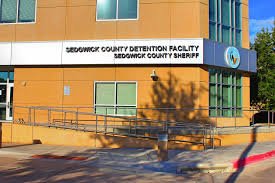
Address:
Address: 141 W Elm St, Wichita, KS 67203, United States
Phone: +1 316-660-5245
Direction : Google Map
Sedgwick County Jail
This operational guide summarizes information related to the Sedgwick County Adult Detention Facility. All rules, visitation schedules, and financial policies are subject to change without immediate public notice due to security and administrative requirements.
The information provided within the facility’s public search tools (Inmate Search, Warrant Search) is for transparency and convenience. Any unauthorized use, harassment, or misuse of facility data is strictly prohibited and may lead to criminal prosecution.
For critical information, direct contact with the appropriate SCDF division is always recommended:
| Category | Contact Method | Details |
|---|---|---|
| Detention Facility Main Line | Phone: (316) 660-3760 | General information, bond verification, and inmate status. |
| Warrants Division | Phone: (316) 660-3900 | For questions regarding active warrants or coordination for self-surrender. |
| Records Division | SCSO Website Contact Form | For official records requests or formal inquiries. |
Role and Function of the Sedgwick County Jail
The Sedgwick County Jail serves as the initial and often longest point of incarceration for individuals moving through the local legal system.
Distinction from State Prison (KDOC)
| Feature | Sedgwick County Jail (SCDF) | Kansas Department of Corrections (KDOC) |
|---|---|---|
| Primary Status | Pre-trial (legally presumed innocent) | Post-conviction (serving determined sentence) |
| Sentence Length | Up to 1 year (misdemeanor) or temporary hold | Over 1 year (felony) |
| Governing Agency | Sedgwick County Sheriff’s Office (SCSO) | State of Kansas |
| Focus | Security, swift bond processing, and court appearances | Long-term security, rehabilitation, and parole planning |
Facility Capacity
The SCDF is structured to house a large and diverse population safely. The facility includes various specialized housing units (Pods) dedicated to medical and mental health needs, protective custody, general population, and temporary holding units for high-risk or new detainees.
Detainees are subject to a classification process upon entry to determine the appropriate security level and housing assignment.
The Booking and Classification Process
The process of entry into the SCDF is uniform and critical for initiating the judicial process.
Step-by-Step Detainment Flow
- Arrest: An individual is taken into custody by the SCSO, Wichita Police Department, or another arresting agency.
- Transport & Intake: The individual is transported to the SCDF for processing.
- Booking: This involves recording demographic details, taking a mugshot and fingerprints (digitally submitted to KBI and FBI databases), confiscating personal property, and logging the official Current Charges. A unique Booking Number is assigned.
- Classification: Medical staff conduct a health screening, and classification officers determine the individual’s risk level, which dictates their housing unit and access privileges.
- First Appearance/Bond: Within 48–72 hours, the detainee appears before a Sedgwick County magistrate judge to be formally read the charges and have the initial Bond Amount and Type set.
Detainee Demographics and Population
The SCDF manages a highly dynamic population, with many detainees cycling in and out quickly through bond or short sentences.
Population Profile
The population makeup reflects the local judicial system’s activity. Data shows that the majority of the population is held on felony charges, with a high percentage stemming from prior warrants (e.g., Failure to Appear). Key areas of need include:
- Mental Health: A significant portion of the population requires ongoing mental and behavioral health services.
- Substance Abuse: High rates of substance use disorders necessitate immediate intervention and linkage to treatment programs.
Detainee Logistics
Money and Financial Transactions
Funds can be deposited into a detainee’s account to allow them to purchase commissary items (snacks, toiletries, writing materials).
- Deposit Methods: Funds can be added using kiosks located in the jail lobby (available 24/7 for cash or card) or remotely via the official online platform www.jailatm.com using a debit or credit card.
- Transaction Fees: A minimum transaction fee of $3.25 is charged for cash deposits. Credit card transactions in the lobby or online incur a fee of $3.25 or 10%, whichever is greater.
- Attorney Funds: Attorney Trust Account checks made out to the Sedgwick County Detention Facility will be accepted, though funds are typically available on the next business day.
- Out-of-County Holds: Money placed for an inmate housed elsewhere is held until the inmate returns to the SCDF.
Personal Property and Commissary
Detainees are issued uniforms and basic necessities. Personal clothing, such as socks and underwear, may not be brought in from the outside.
These items must be purchased by the inmate through the commissary. All external personal belongings are inventoried and stored until the detainee’s release.
Inmate Visitation and Communication Guidelines
Communication with detainees is facilitated through strict, monitored protocols to maintain security.
Visitation
- Facility Code: Inmates housed within the Sedgwick County Adult Detention Facility are typically identified by the code “DETN” in the inmate search results.
- Scheduling: Visitation is generally conducted via video link (either on-site at the facility or remotely from home) and must be scheduled in advance. Visitation days and times vary significantly based on the inmate’s Pod Number and classification status.
- Rules: Visitors must register, adhere to strict dress codes, and be approved prior to the visit. All visits (except those with legal counsel) are subject to monitoring and recording.
Communication
- Telephone: Inmates can make outgoing, collect calls or use prepaid phone accounts. Detainees cannot receive incoming calls from family or friends.
- Mail: Detainees can receive postal mail. All incoming mail (excluding legal mail from attorneys) is opened and inspected for contraband before delivery.
Bond and Pre-Trial Release Processing
The SCDF’s primary administrative function is coordinating the release of detainees who satisfy court-ordered conditions.
Bond Information
Detailed information regarding bond amounts, bond types (Cash, Surety, Personal Recognizance), and contact information for local bonding companies is published on the Sheriff’s Office Bond Information Page.
- Bond Processing Hours: The jail’s bond posting window operates 24 hours a day, 7 days a week. Once the District Court Clerk has formalized the bond terms, the SCDF facilitates the intake of funds or surety paperwork.
- Bond Verification: It is mandatory to verify the current, active bond amount and conditions directly with the Detention Facility before attempting to post bail, as judicial adjustments can happen quickly.
SCDF’s Connection to the 18th Judicial District Court
The SCDF operates in constant coordination with the courts, which set the legal timeline for every detainee.
- Court Linkage: The jail provides transportation and/or video conferencing links to the Sedgwick County Courthouse (525 N. Main St., Wichita) for all scheduled court appearances, including arraignments, preliminary hearings, and bond reviews.
- Warrants: The SCDF works directly with the SCSO and Municipal Court to process individuals arrested on active Arrest Warrants and Bench Warrants (often issued for Failure to Appear).
- Legal Access: Legal professionals have generally broader access hours than the public, requiring specific coordination with the SCDF classification unit to arrange private consultations with clients.
Facility Operational Hours and Access
Access hours vary significantly depending on the service requested:
| Entity/Access Type | Days of Operation | Most Common Hours (CST) | Notes |
|---|---|---|---|
| Bond Posting Window | 24 Hours a Day, 7 Days a Week | Continuous | For releasing detainees after bond is secured. |
| District Court Clerk’s Office | Monday – Friday | 8:00 AM – 5:00 PM | For processing official court paperwork and cash bonds directly. |
| Attorney Visits | Daily (with exceptions) | Generally 8:00 AM – 10:00 PM | Attorneys should confirm their access schedule with the facility. |
| General Inmate Visits | Specific Days/Times | Varies by Pod/Unit | Strictly scheduled; must confirm via the SCSO website or phone. |
Rehabilitation, Education, and Reentry Programs
Recognizing that pre-trial detention can last weeks or months, the SCDF focuses on providing stabilization and resources essential for successful community reentry and reduced recidivism.
What Programs Does the Sedgwick Jail Offer?
Due to the transient population, programs are typically high-impact and focused on immediate needs:
- Medical and Behavioral Health: Comprehensive screening and ongoing treatment for mental health issues and substance use disorders, delivered in partnership with county health services.
- Educational Services: Access to materials and instruction to help detainees work toward their GED (General Educational Development) certification.
- Substance Abuse Intervention: Basic education, counseling, and peer support groups (e.g., AA/NA) to address addiction during incarceration.
- Community Resource Linkage: Coordination with Sedgwick County Community Corrections and local non-profits to secure vital resources like temporary housing, employment assistance, and food aid immediately upon release.
SCDF vs. KDOC: Understanding Custody Differences
The primary confusion for the public centers on whether an individual is in county or state custody.
| Criteria | Sedgwick County Jail (SCDF) | Kansas Department of Corrections (KDOC) |
|---|---|---|
| Record Search | Sedgwick County Inmate Search | KDOC Offender Search |
| Release Mechanism | Posting of a Court-Ordered Bond | Completion of a Sentence or Granting of Parole |
| Facility Identification | DETN (Detention Facility) | Specific prison unit names (e.g., El Dorado Correctional Facility) |
Conclusion
The Sedgwick County Adult Detention Facility is an indispensable and highly operational component of the local justice system.
By managing a high-volume, dynamic population, it facilitates the essential link between arrest, court appearance, and pre-trial release.
Understanding its operational details—from bond processing hours to communication restrictions—is crucial for legal professionals, families, and all citizens interacting with the Sedgwick County criminal justice process.
FAQ
What is the official name of the Sedgwick County Jail?
The official name is the Sedgwick County Adult Detention Facility (SCDF).
What is the purpose of the SCDF?
Its primary purpose is to house pre-trial detainees (individuals awaiting trial or court hearings) and those serving short-term misdemeanor sentences.
Can I visit an inmate at the SCDF without an appointment?
No. All visits (except those by legal counsel) must be scheduled in advance and are typically conducted via video link. You must check the specific visitation guidelines for the inmate’s housing unit (Pod).
How can I put money on an inmate’s account?
You can deposit funds 24/7 using the kiosks in the jail lobby (cash or card) or online at www.jailatm.com. Fees apply to all transactions.
Where do I go to post a bond?
Bonds can be processed at the Jail Bond Posting Window 24/7 once the amount is set, or at the District Court Clerk’s Office during standard weekday business hours (8:00 AM – 5:00 PM).
If an inmate is transferred to a KDOC prison, will they still be on the SCDF search?
No. Once an individual is officially transferred to state custody, their record is removed from the SCDF Inmate Search, and you must use the KDOC Offender Search to find their new location.